Life Cycle Assessment (LCA) of buildings: what it is, phases and regulations

The digitization of the project is not just about drawing in 3D. Connecting the BIM model with the life cycle calculation allows you to see the impact of each decision in real time, when it can still be changed.
From BIM model to carbon calculation: digitizing to make better decisions
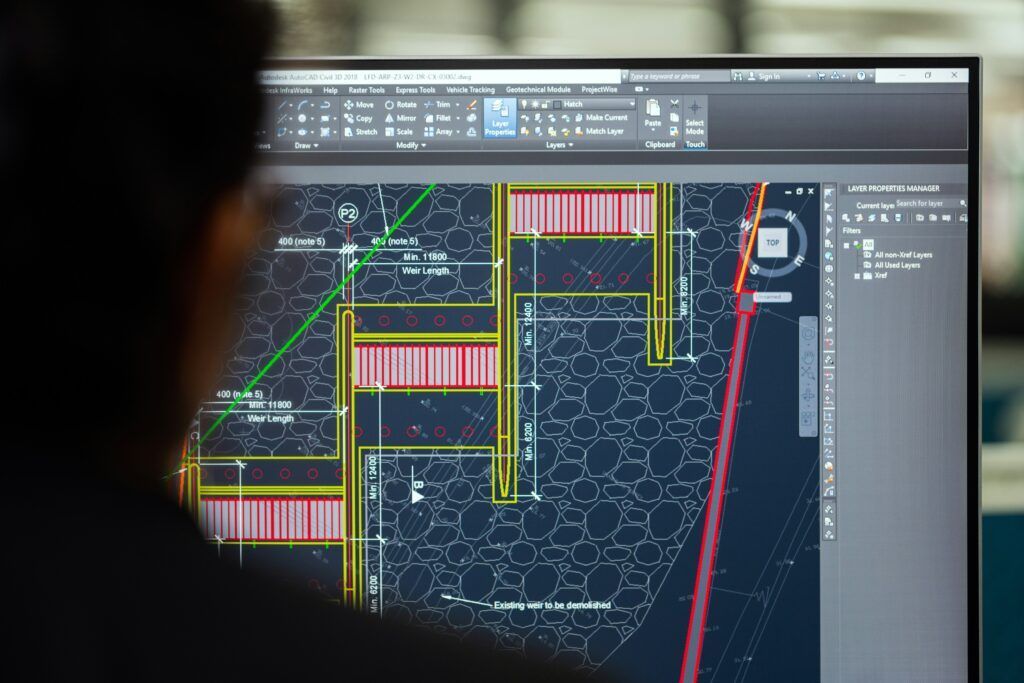
The digitization of the project is not just about drawing in 3D. Connecting the BIM model with the life cycle calculation allows you to see the impact of each decision in real time, when it can still be changed.
LEED, BREEAM and VERDE: what they ask for and why they count more and more
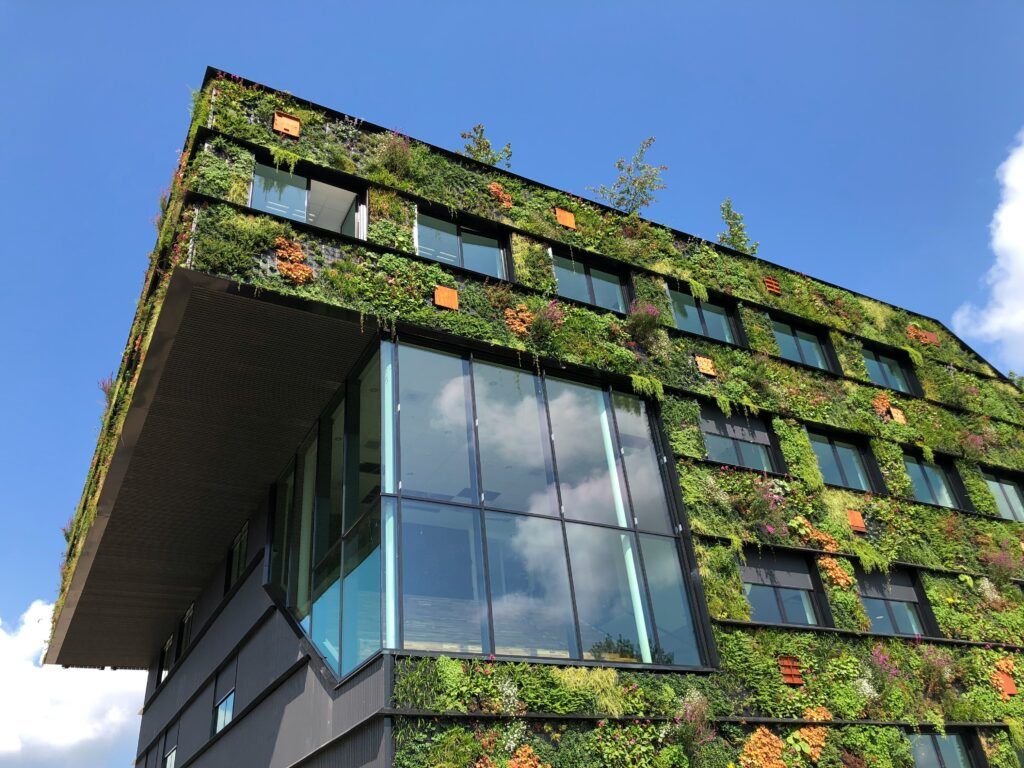
Building environmental certifications have ceased to be a voluntary badge to become a criterion that weighs on tenders, rentals and asset valuations.
Renovation grants: a window that closes at the end of 2026

There have never been so many funds to decarbonise buildings, but the window of European funds has an expiration date. Knowing the programmes and processing them well makes all the difference.
Wood and bio-based materials: when the material captures more carbon than it emits
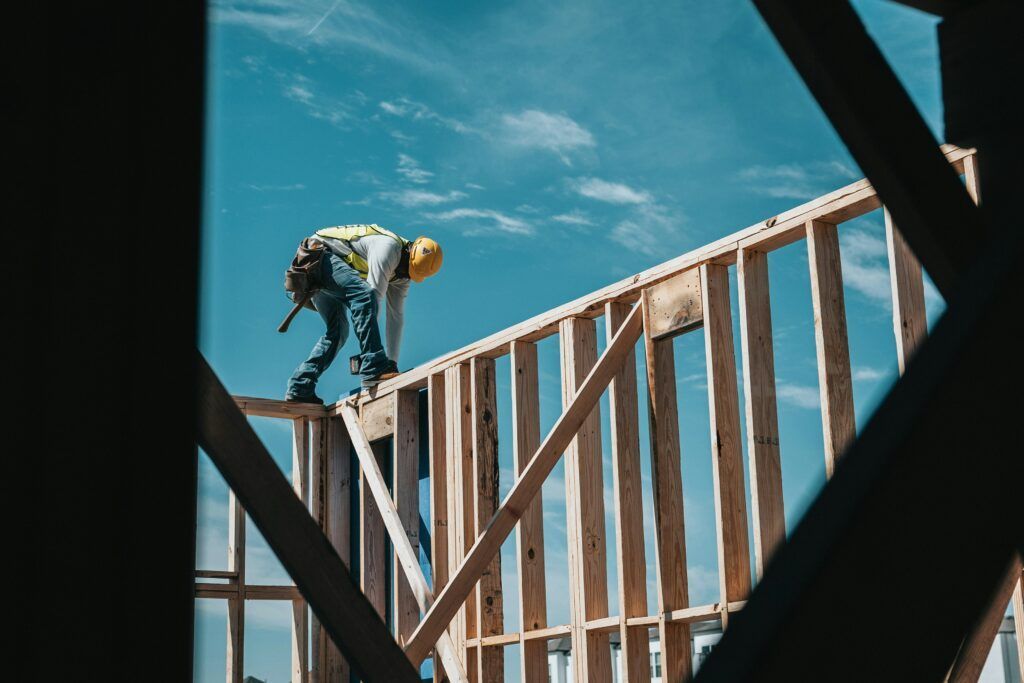
Not all materials add up to emissions. Some, such as sustainably sourced wood, store carbon. Choosing the right material is one of the most impactful decisions of the entire project.
Passive design, first: how to reduce demand by up to 65% before installing anything
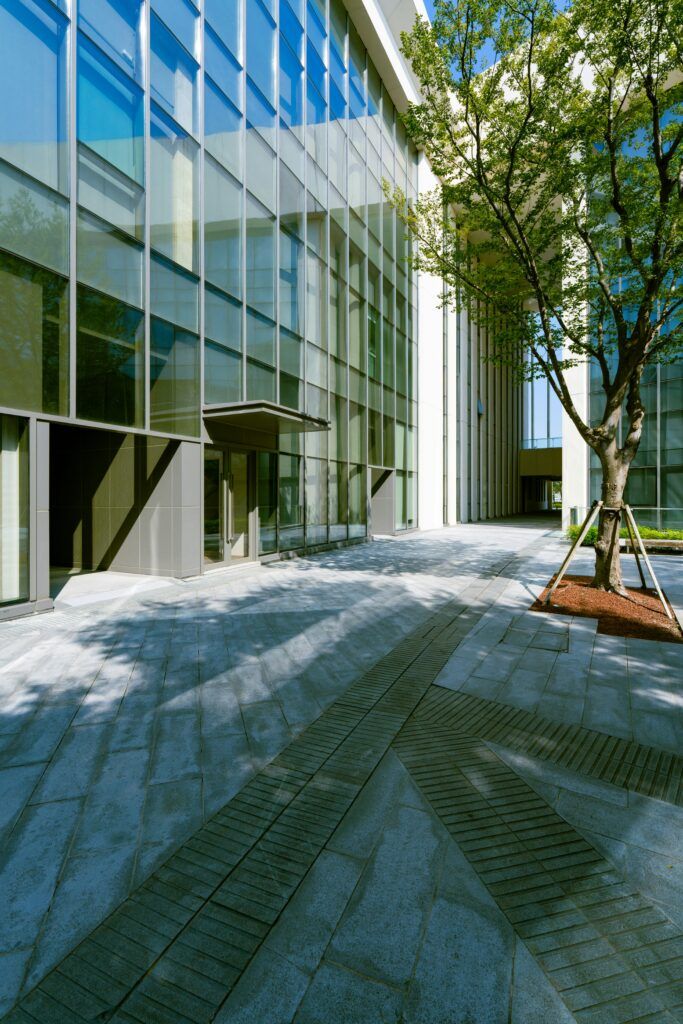
Before thinking about equipment and facilities, a good bioclimatic design can drastically reduce a building’s energy demand. It is the most cost-effective measure and often the most forgotten.
Buildings prepared for a climate that has already changed
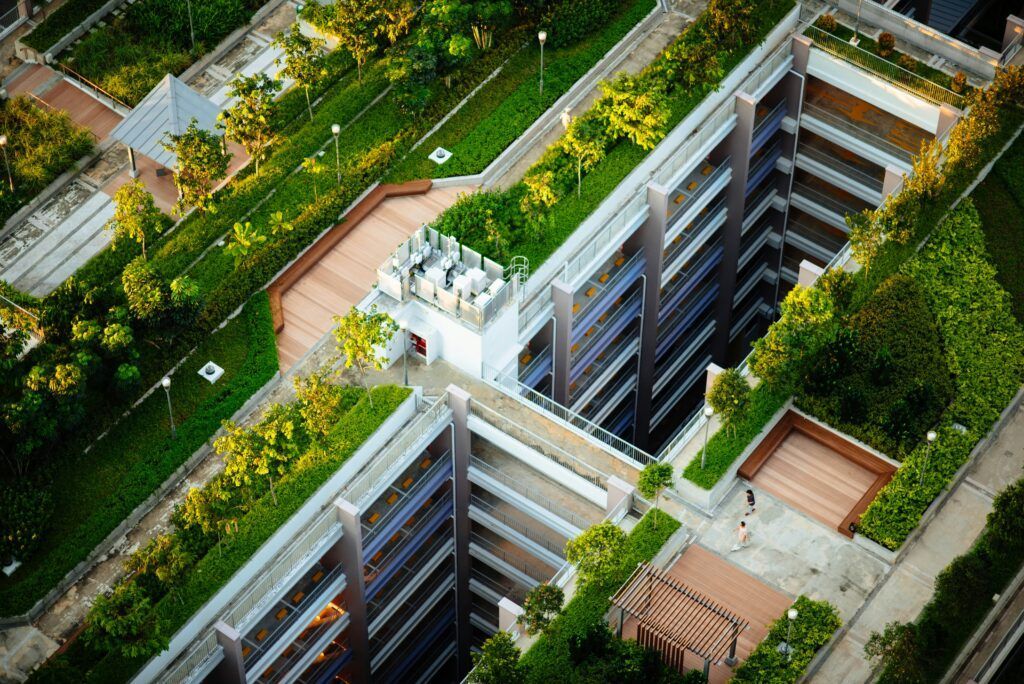
Mitigating emissions is no longer enough: the buildings we design today will have to operate in a warmer and more extreme climate. Decarbonisation and adaptation are two sides of the same challenge.
Primary or Average Data: The Hidden Cost of an Inaccurate Carbon Calculation

Calculating a building’s footprint with generic database values overestimates the impact and hides the real improvement from suppliers. The accuracy of the data has technical and economic consequences.
Conserve instead of demolish: the value of reusing what is already built

The least carbon option is usually the building that does not need to be rebuilt. The reuse of structures and materials goes from being an exception to a project strategy.
Decarbonising offices: the hidden carbon in interior renovations

Each renovation cycle of an office generates a huge amount of waste and embodied carbon. Designing workspaces with circular criteria is a direct, and often little-explored, way of reduction.